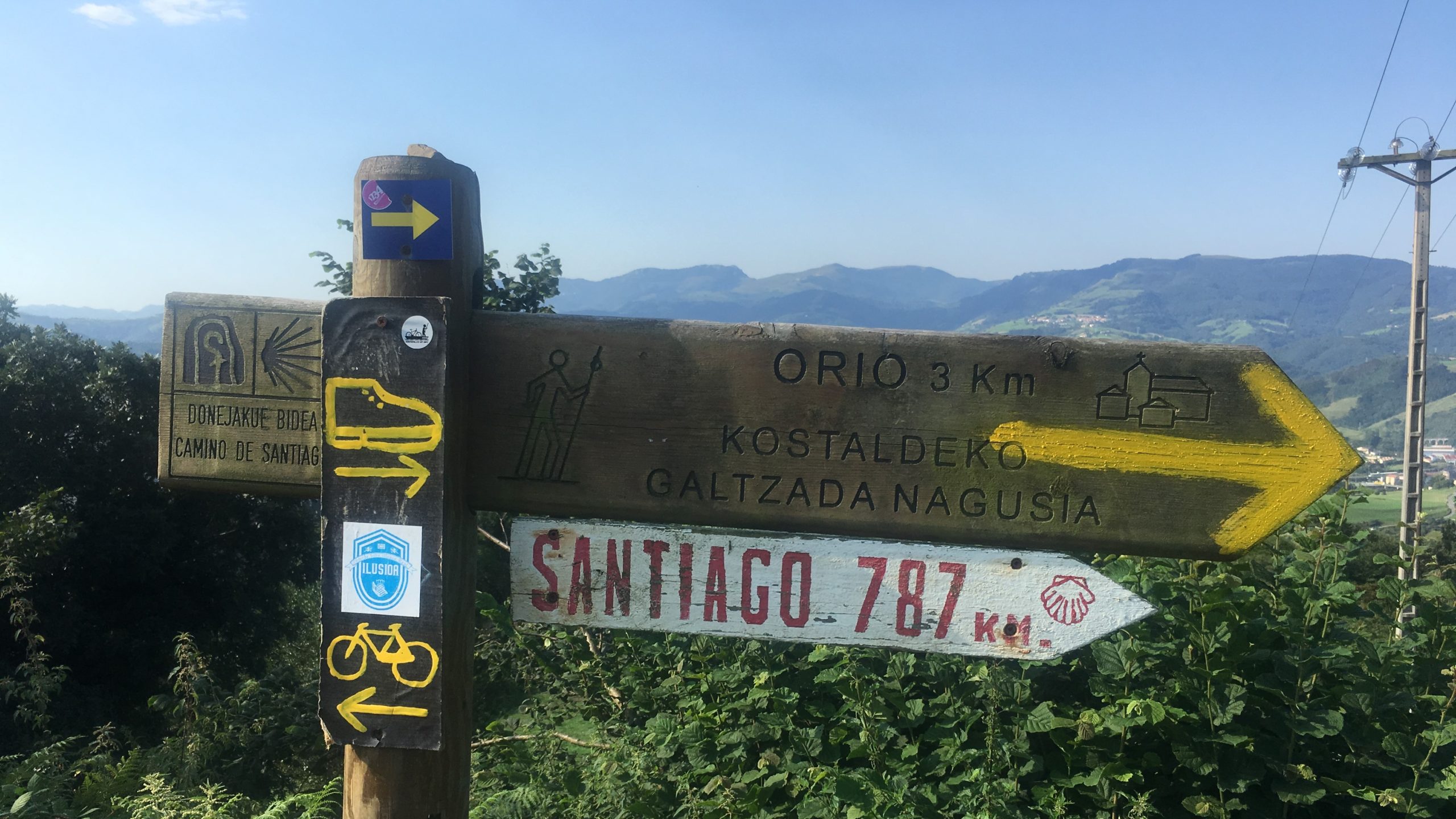
From the Camino: I first went to the seminary when I was sixteen year old. It was a boarding school from Monday through Friday, sending us home each weekend to be with our families. For two years I lived in a dormitory next to another nineteen high school seminarians. It was an extraordinary experience. The other boys, to my disappointment, were no better, no more noble, no holier than I was myself. But it was fun, and I made friends, and I grew so very much from the experience.
When considering the manner in which I would do the Camino, and what I needed from it, I was quite sure I didn’t need that dormitory experience again. It had been rich but it was extensive, and I have the sense that I had learned most of the lessons it offered.
As a parish priest, a very public person, my life is full of rich interactions with my parishioners and their needs. My daily life is an encounter with their critical issues and their struggles with life and meaning, forgiveness and healing. I did not yearn for yet more of that. What I needed, deeply, was silence and space. Having considered this carefully, I chose not to stay in albergues.
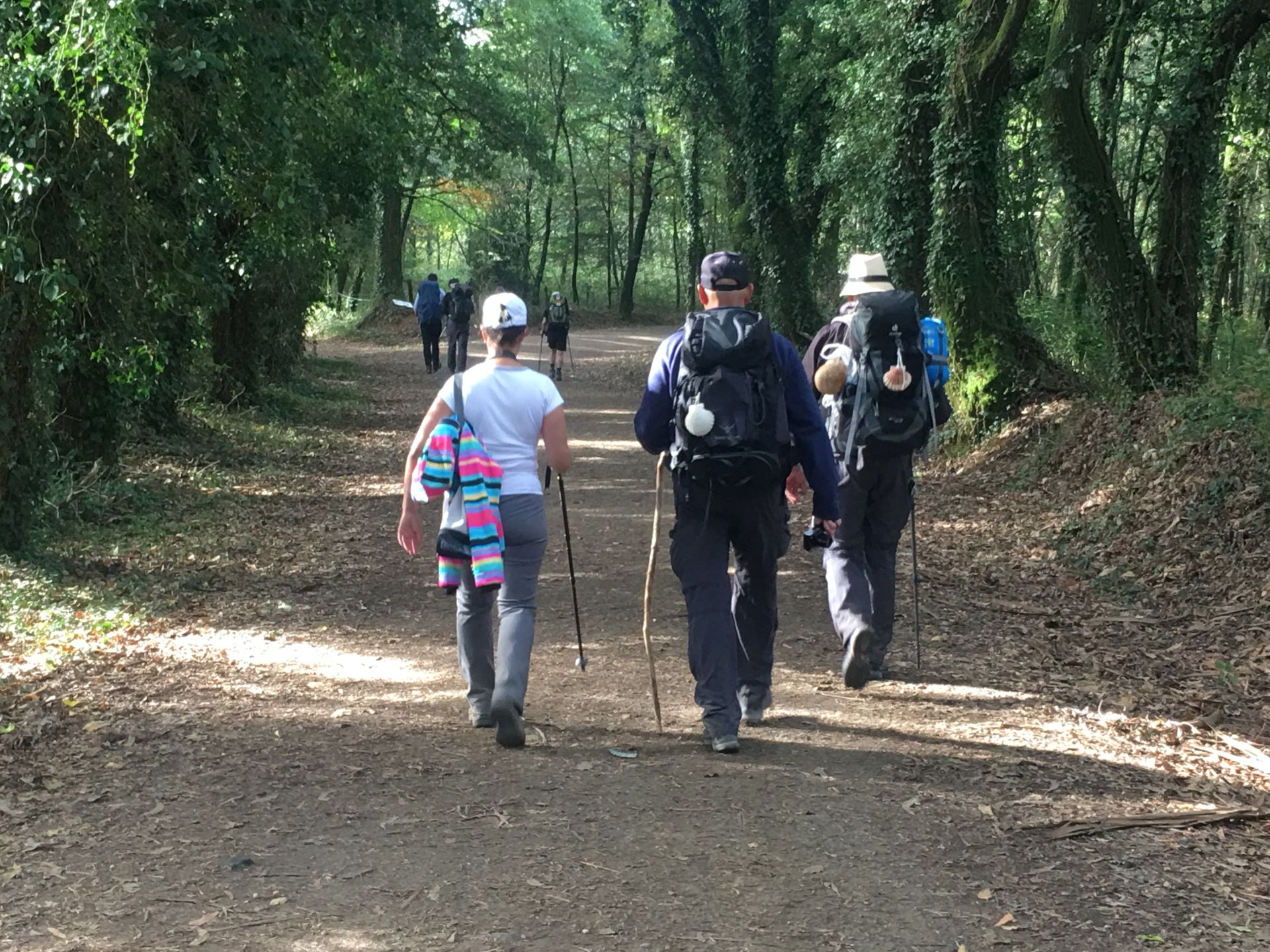 My history, however, does not reflect the needs or experience for most pilgrims. The communal experience, for many, was the foundation highlight of their pilgrimage. Most pilgrims spend all or most of their nights eating and sleeping communally, where they have very intense closeness with one another, an intimate confrontation with other’s needs, obtuseness and selfishness, as well as their extraordinary generosity and good will.
They also make the most amazing connections and form communities, “Camino families,” they’re called. In these mobile communities, faith in humanity gets restored, tolerance grows, cultural difference are clarified, stories are told and heard, and enduring love grows.
Gen 2:18 — The Lord God said: It is not good for the man to be alone. I will make a helper suited to him.
For reflection: It is not good for us to be alone. And yet, so many of us live fractured social lives, unconnected emotionally from the people with whom we work and the neighbors who live in the homes and apartments around us. We leave college in pursuit of our careers and our partner’s needs, and often enough we leave our childhood connections behind. It isn’t at all strange to live on the far side of the continent from our extended family and the friends we made as children. It wasn’t like this until recently…and we often suffer from it.
The life we led, for hundreds of thousands of years while we were hunter-gatherers, wandering the savannas of Africa and the world’s forests, may provide the genetic root, deep within our bones, for the resonance many pilgrims have with the Camino experience. Our ancestors wandered, foot-bound, in small bands of maybe thirty or so companions, seeking out nature’s bounty.
Wherever in our lives, apart from the Camino, do we experience anything like that? It’s no surprise then that the formation of small Camino families, as we journeying through the wilderness of Spain, is for many one of the richest aspects of the pilgrimage that resonates at unconscious, genetic levels. Pilgrim have relationships to support them. Finally, they belong .
We need deep sense that we belong to someone, that we matter. We need a destination that we share with people. It’s not good for Adam to be alone. Camino families will always have their challenges, but they frequently come with the richest of blessings. Don’t run from them without good reason.